
Critical Auto Parts You Shouldn’t Overlook During Repairs
When repairing a vehicle, it’s easy to focus on the part that has failed and overlook other components that may also need inspection. Checking related parts can help prevent repeat repairs and unexpected problems.
Brakes
Brake pads, rotors, calipers, brake lines, and other components should be inspected when addressing braking issues. Worn or damaged brake components can affect stopping performance.
Belts and Hoses
Belts and hoses can deteriorate with age, heat, and use. Cracks, leaks, or excessive wear should be addressed before they lead to more serious problems.
Filters
Air, oil, fuel, and cabin filters can affect vehicle performance and air quality. Replace them according to the vehicle manufacturer’s recommendations.
Cooling System
When working on an engine, inspect the radiator, coolant hoses, thermostat, water pump, and coolant condition where appropriate. Cooling-system problems can contribute to overheating.
Suspension and Steering
Shocks, struts, control arms, ball joints, tie rods, and related components should be checked for excessive wear, particularly when replacing suspension or steering parts.
Electrical Components
Batteries, alternators, starters, fuses, wiring, and connectors can affect vehicle reliability. Electrical problems may sometimes involve more than one component.
Tires and Wheels
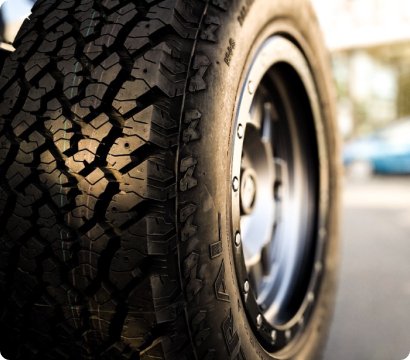
Tire condition, tread depth, inflation, wheel damage, and alignment should not be overlooked during repairs involving suspension or steering.
Conclusion
A successful repair isn’t always about replacing one failed component. Inspecting related systems can help identify additional wear and ensure the vehicle is properly maintained. For safety-critical repairs, use the appropriate parts, tools, and qualified professional assistance when needed.