

Durable Auto Parts: Challenges for Manufacturers and Users
The automotive industry depends on parts that can perform reliably under demanding conditions. From engines and transmissions to suspension components, braking systems, electrical parts, and body components, every part plays an important role in keeping a vehicle safe and functional.
However, producing and using durable auto parts comes with its own set of challenges. Manufacturers must balance quality, material selection, production costs, environmental requirements, and changing vehicle technology, while vehicle owners must consider compatibility, maintenance, installation, and cost when selecting replacement parts.
What Makes an Auto Part Durable?
Durability refers to an auto part’s ability to perform its intended function over time and under the conditions for which it was designed.
Several factors can influence durability, including:
- Quality of materials
- Manufacturing processes
- Engineering and design
- Proper installation
- Vehicle usage
- Maintenance
- Operating conditions
- Storage and handling
A high-quality part isn’t simply one that lasts a long time. It should also perform consistently and be appropriate for the specific vehicle and application.
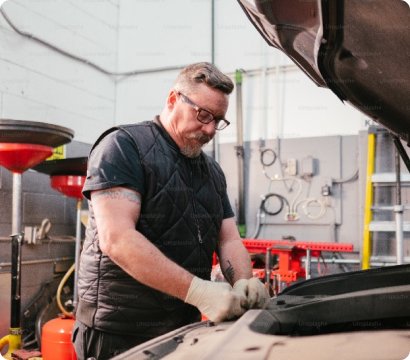
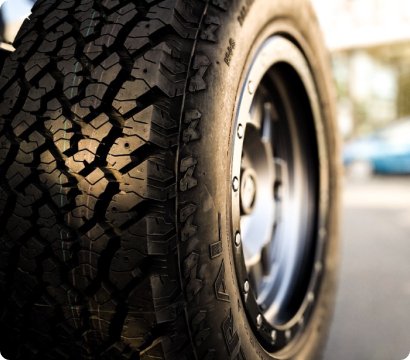
Challenges Faced by Auto Parts Manufacturers
1. Selecting the Right Materials
Manufacturers must choose materials that can withstand heat, vibration, friction, moisture, corrosion, and repeated mechanical stress.
For example, engine and transmission components may operate under significant temperature and pressure. Selecting materials that can tolerate these conditions without excessive wear is essential.
At the same time, manufacturers need to control production costs, making material selection an important balance between performance and affordability.
2. Maintaining Consistent Manufacturing Quality
Even when high-quality materials are used, inconsistent manufacturing processes can affect the final product.
Manufacturers need effective quality-control procedures throughout production, including inspection, testing, dimensional checks, and process monitoring.
Small variations in components can sometimes lead to premature wear or compatibility problems.
3. Increasing Vehicle Complexity
Modern vehicles contain increasingly sophisticated mechanical, electronic, and computer-controlled systems.
An auto part may need to work together with sensors, electronic control modules, wiring systems, and other components. This makes design, testing, and manufacturing more complex.
4. Controlling Production Costs
Consumers want reliable parts at reasonable prices, while manufacturers face increasing costs for materials, labor, transportation, equipment, and compliance.
Producing a durable component while keeping it affordable is therefore an ongoing challenge.
5. Environmental Requirements
The automotive industry is also under increasing pressure to reduce waste and improve resource efficiency.
Manufacturers are exploring recyclable materials, more efficient production methods, remanufacturing, and improved end-of-life recovery processes.
These changes can create additional engineering and manufacturing challenges while also providing opportunities to reduce environmental impact.
Challenges Faced by Auto Parts Users
Durability isn’t determined solely by the manufacturer. How a part is selected, installed, and maintained can significantly affect its service life.
1. Choosing the Correct Part
One of the most common challenges for vehicle owners is finding a part that is compatible with their specific vehicle.
Year, make, model, engine configuration, transmission type, trim level, and VIN can all be relevant depending on the component.
Before purchasing a replacement part, customers should verify compatibility carefully.
2. Understanding Used and Recycled Parts
Used auto parts can provide a practical and cost-effective alternative to new components. However, their condition can vary depending on their previous use, maintenance history, storage conditions, and inspection process.
Customers should ask about:
- Part condition
- Compatibility
- Mileage where applicable
- Inspection procedures
- Warranty coverage
- Return policy
3. Proper Installation
Even a quality part may not perform properly if it is incorrectly installed.
For mechanical components, professional installation can help ensure that the replacement part is fitted and adjusted correctly.
4. Maintenance
Regular vehicle maintenance can help protect replacement parts and other components.
Following the vehicle manufacturer’s recommended maintenance schedule, using appropriate fluids and lubricants, and addressing problems promptly can help reduce unnecessary wear.
5. Operating Conditions
Driving conditions can have a major effect on component life.
Frequent towing, heavy loads, extreme temperatures, stop-and-go traffic, rough roads, and other demanding conditions may place additional stress on vehicle components.
How Can the Industry Improve Durability?
Manufacturers, suppliers, installers, and vehicle owners all have a role to play.
Manufacturers can focus on:
- Better material selection
- Improved engineering
- Consistent quality control
- Product testing
- Better documentation
- Remanufacturing and recycling
Suppliers can help customers by providing accurate part information, compatibility details, warranty information, and transparent product descriptions.
Vehicle owners can contribute by selecting the correct component, using qualified installation services when appropriate, and maintaining their vehicles properly.
The Role of Quality Used Auto Parts
Used auto parts can be an important part of the automotive replacement-parts market. Components that remain serviceable can be recovered from vehicles, inspected, and made available for reuse instead of automatically becoming waste.
For customers, used parts may provide access to replacement components at a different price point from new parts. However, customers should always confirm compatibility and understand the condition and warranty associated with a particular part.
Conclusion
Durable auto parts require cooperation throughout the automotive supply chain. Manufacturers must design and produce components that meet demanding performance requirements, while suppliers and customers must make informed decisions about compatibility, condition, installation, and maintenance.
For vehicle owners, the goal isn’t simply to find the cheapest replacement part. It’s to find a suitable component that matches the vehicle, meets the required specifications, and provides an appropriate balance of quality, reliability, and value.
Boston Wrecking helps customers find used auto parts for a wide range of vehicles, including engines, transmissions, body components, lighting, and other replacement parts. Customers can contact the team to check part availability and compatibility for their vehicle.